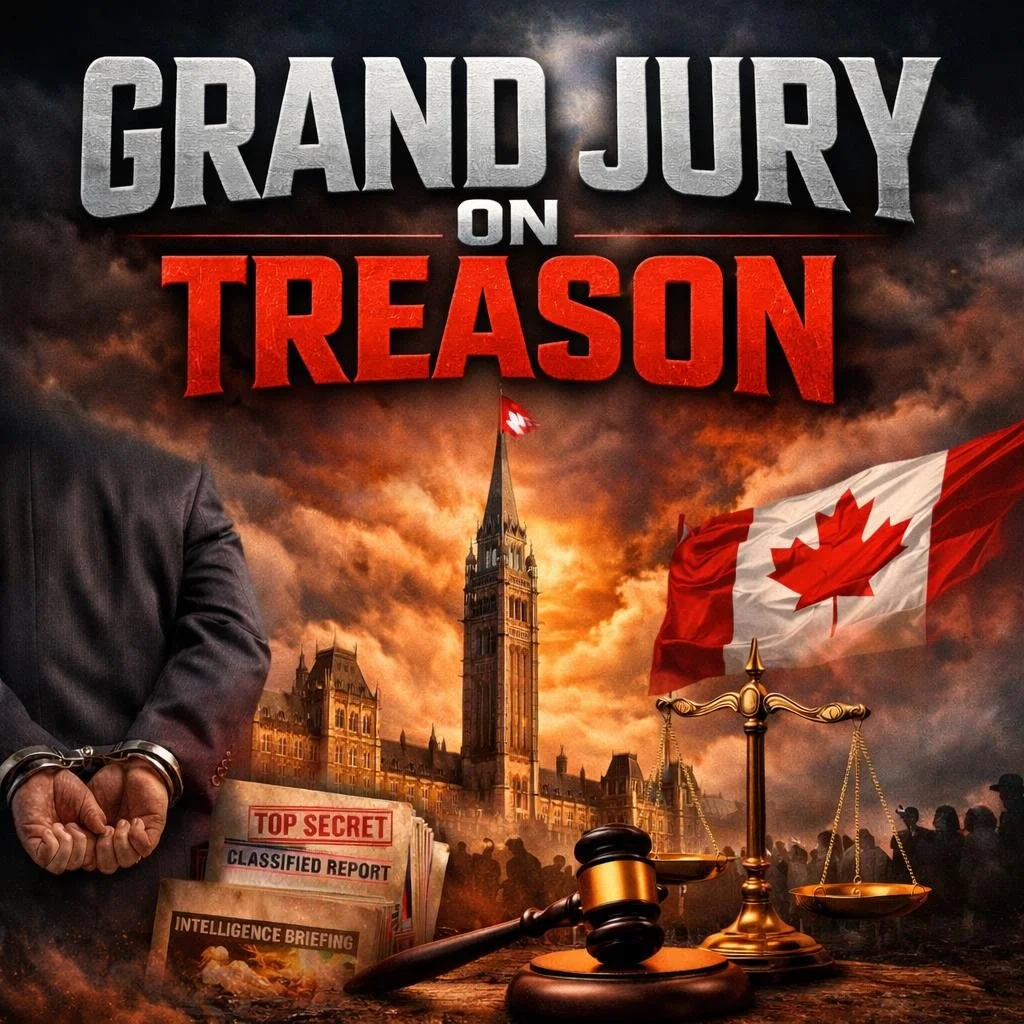
Registration for the Grand Jury Pool is now closed as of April 20, 2026.
The pool of individuals eligible for selection has been finalized, with a total of 330 participants. The Grand Jury—comprised of 23 jurors and 7 alternate jurors—will be drawn from this established pool using a fair and transparent selection method agreed upon by participants on April 20.
While the jury pool is now closed, ongoing support remains essential to the success and integrity of the Grand Jury process. Individuals who wish to contribute may still volunteer in support roles.
Support is needed in the following areas:
• Fundraising to meet the operational needs of the Grand Jury process
• Public awareness and outreach to inform the public about the initiative
• Expert consultation and opinions, including legal and medical expertise
• Identifying and coordinating witnesses willing to provide testimony
• Data collection, organization, and secure storage of materials
• Security and logistical support
To volunteer, please visit: grandjuryrising/grandjurysign-up
For questions or further information, please contact: grandjuryrising@proton.me
Sign-up to be involved in the Grand Jury Support Pool
National Security and Intelligence Committee of Parliamentarians (NSICOP)
FINDS TREASON
The findings of the National Security and Intelligence Committee of Parliamentarians (NSICOP) June 3, 2024 report raise one of the most serious national security concerns a country can face. The report confirms that certain elected officials knowingly participated in or were complicit with foreign interference operations against Canada’s democratic system. When individuals entrusted with public office collaborate with or assist foreign powers in undermining the nation’s sovereignty or democratic processes, the conduct falls within the very definition of treason against the state. The gravity of such findings cannot be overstated: in any functioning constitutional system, allegations of this magnitude demand immediate investigation, identification of those responsible, and prosecution under the law.
Citizens are now calling a Grand Jury to investigate and hold accountable those who have committed treason. Below you can find out how you can help. We are complying a list of persons who are willing to sit on the grand jury and those who are willing to organize this operatin. The Grand Jury will operate completely independent of the Government and the Grand Jury findings are binding on the Government.
LINK TO THE NSICOP REPORT:chrome-extension://efaidnbmnnnibpcajpcglclefindmkaj/https://www.nsicop-cpsnr.ca/reports/rp-2024-06-03/special-report-foreign-interference.pdf?utm_source=chatgpt.com
About the Citizens’ Grand Jury
The Citizens’ Grand Jury is a community-based oversight body rooted in the common law tradition.
Historically, grand juries existed so that ordinary citizens—not government officials—could investigate serious wrongdoing and decide whether charges should proceed.
The purpose of this initiative is to restore that principle of citizen oversight and accountability.
A grand jury is not a protest group, and it is not a political organization.
It is an investigative body of citizens that examines evidence and determines whether there are grounds to initiate legal proceedings.
Who Can Register
To be placed in the pool of potential jurors, you must:
• Be a Canadian citizen
• Be 18 years of age or older
• Have no criminal record
People who meet these requirements may volunteer to be placed on the potential juror list.
How Jurors Are Selected
Grand jurors are not chosen by organizers or leaders.
Instead:
• Names are placed in a pool of eligible volunteers
• When a grand jury is convened, jurors are selected randomly from that pool
• The process is designed to ensure independence and fairness
This random selection ensures that the grand jury remains a body of ordinary citizens, not a controlled group.
Privacy and Protection of Jurors
The identity of grand jurors is kept private.
This protects jurors from:
• political pressure
• outside influence
• intimidation
The integrity of the process depends on jurors being able to examine evidence freely and independently.
What Happens if You Are Selected
If selected as a grand juror, your role will be to participate in an evidence-review and investigation process.
Grand jurors may:
• hear testimony
• review documents and evidence
• question witnesses
• examine whether wrongdoing may have occurred
Grand juries traditionally have the authority to issue subpoenas.
What is a Subpoena?
A subpoena is a legal demand requiring a person to:
• appear and give testimony, or
• produce documents or evidence relevant to an investigation.
This power allows a grand jury to gather evidence directly rather than relying only on what authorities provide.
The Investigation Process
Grand juries investigate matters where there are credible concerns of serious wrongdoing.
During an investigation jurors will:
• review evidence presented to them
• hear testimony from witnesses
• determine whether sufficient grounds exist for further legal action.
The grand jury does not decide guilt or innocence.
Its role is to determine whether there is enough evidence to move forward with charges or formal findings.
Indictments and Presentments
At the end of an investigation, a grand jury may issue one of two outcomes:
Indictment
An indictment is a formal finding that there is sufficient evidence to charge a person with a criminal offence.
This allows the matter to proceed to a public trial where guilt or innocence will be determined.
Presentment
A presentment is a public report issued by the grand jury identifying:
• evidence of wrongdoing
• misconduct by officials or institutions
• matters requiring further legal action or public attention
Presentments historically allowed citizens to expose corruption or abuse of power even where prosecutors refused to act.
Why Citizen Participation Matters
The grand jury was historically one of the strongest safeguards against abuse of power.
It placed the authority to initiate serious investigations in the hands of the people themselves.
By registering, you are volunteering to be part of a citizen oversight system designed to uphold accountability and the rule of law.
“Grand Jury Citzen Lead Accountablity for Treason under Common Law to stop the treason.”
1. Opening an investigation on Treason
A grand jury could begin examining allegations of treason because credible concerns arose.
The investigation will involve:
reviewing documents
hearing sworn testimony
examining evidence presented by witnesses.
The purpose is to determine whether there was probable cause that a crime had been committed.
2. Subpoena power
A key investigative tool historically available to a grand jury was the power to issue subpoenas.
A subpoena can legally require:
a witness to appear and testify
production of documents or records.
This authority allowed a grand jury to compel evidence, rather than relying only on voluntary cooperation.
3. Testimony under oath
Witnesses appearing before a grand jury traditionally testify under oath.
That means:
statements are sworn testimony
false testimony can have legal consequences.
This process was designed to produce reliable evidence.
4. Determining whether charges should proceed
After reviewing evidence, the grand jury historically had two main outcomes:
Indictment
Finding sufficient evidence that charges should proceed.
Presentment
Grand Jury lays the charge itself
5. Public accountability
In situations involving allegations of corruption or misconduct by officials, the grand jury historically served as a citizen oversight mechanism.
Because it could compel evidence and issue findings, it helped ensure that serious allegations could not simply be ignored.